Sifnos
Every corner on Sifnos holds unique experiences and settings, full of colour, culture and natural beauty. Spend some time travelling across the most exciting of them through our latest videos.
Which ‘colourful escape’ are you going to choose?
GET TO KNOW SIFNOS
-
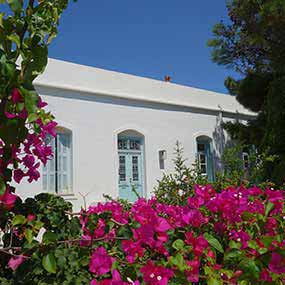
14 VILLAGES
to explore -

11 FESTIVALS
to have a blast -
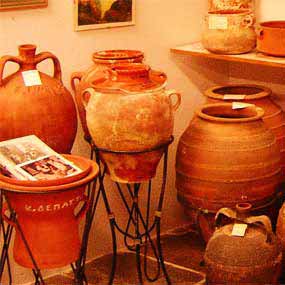
4 MUSEUMS
to visit -
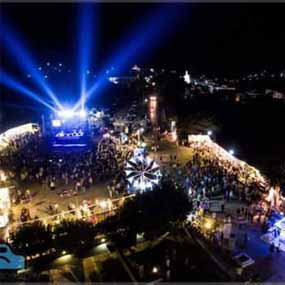
FESTIVAL
of Tselementes -
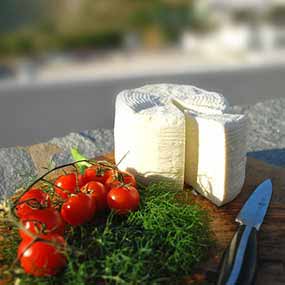
TRADITIONAL
products to buy -
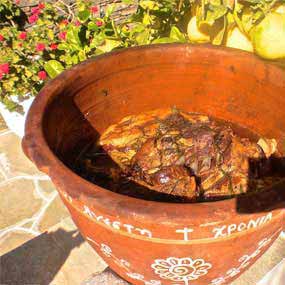
5 SIFNIAN
recipes
From feasts and traditional products to festivals and special happenings, Sifnos pleasantly unravels before your eyes. Get into the groove and live unforgettable experiences.
HOLIDAY IDEAS
-

150+ RENTAL
rooms & hotels -
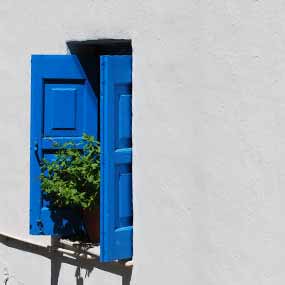
HOUSES & VILLAS
for rent -

CRUISES
by boat -
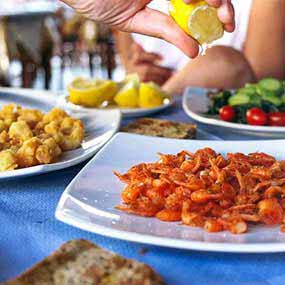
RESTAURANTS
to visit -
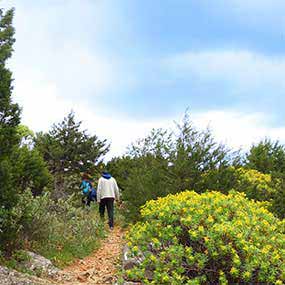
10 TRAILS
to explore -
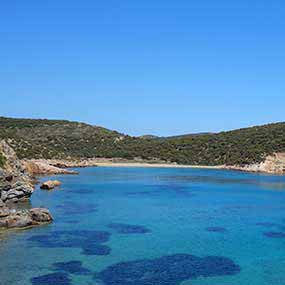
8 BEACHES
without road access -
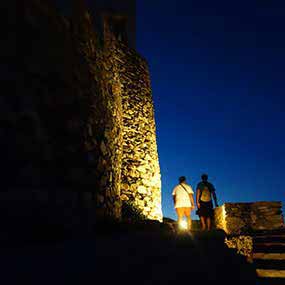
6 SCENIC
WALKS
Excursion options on Sifnos are as multifaceted as the island itself. Get to know its settlements, walk its alleys, mingle with the locals or simply let the sun caress you on a recluse beach.
Discover the best of Sifnos

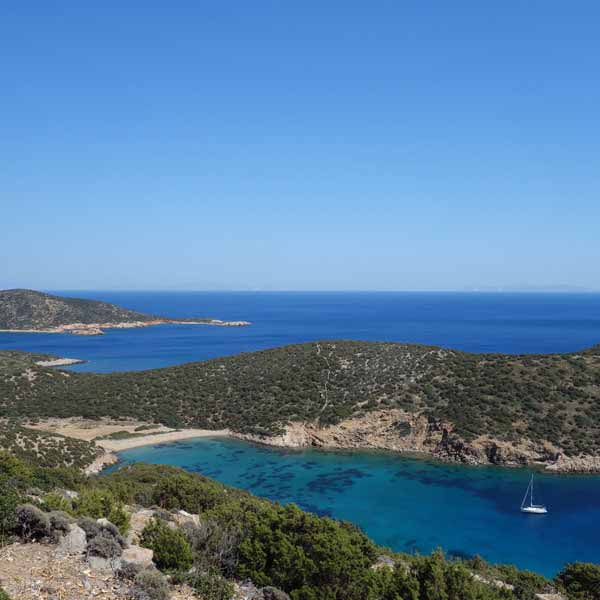


Wander across the picturesque cobblestone back alleys, relish the scent off fresh baked Sifnian bagels that fills the air, get not just photographed but go capture every corner of the island.
Sifnos... in motion

Ready to welcome you, ready to treat you. Sifnos, ready again.
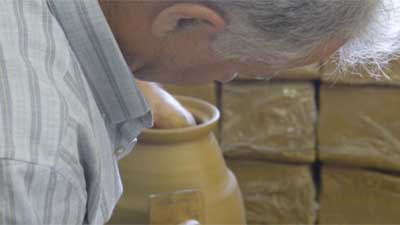
Earth, wind, water and fire. That’s pottery, the art of Sifnos.

100 km, 10 signposted trails for both beginner and experienced trekkers.
Stay in Sifnos
The island offers accommodation for all tastes and budgets. Choose the one that best suits you and make your stay in Sifnos unforgettable.
Accommodation of Sifnos(information/map)
Wedding in Sifnos
Small chapels next to the waves, a photo session on the beach with sunset views, all-nighter partying with Sifnian delicacies. Sifnos... the place for a unique wedding!
A dreamy and romantic wedding in SifnosYou’ll love the cuisine!
At Sifnos, birthplace of Tselementes, you can be sure of getting fine food. Try the traditional small tavernas, the innovative snack bars, gourmet restaurants and food bars where exquisite taste turned into culinary musts.
Restaurants for you
*Product Disclaimer: Information on listed products and services are provided by the operator and were correct at the time of publishing. Rates are indicative based on the minimum and maximum available prices of products and services. Please visit the operator’s website for further information. All prices quoted are in Euro (€). E-sifnos makes no representations whatsoever about any other websites which you may access through this website. Some websites which are linked to the e-sifnos website are independent from e-sifnos and are not under the control of e-sifnos. E-sifnos does not endorse or accept any responsibility for the use of websites which are owned or operated by third parties and makes no representation or warranty in relation to the standard, class or fitness for purpose of any services, nor does it endorse or in any respect warrant any products or services by virtue of any information, material or content linked from or to this site.